What You Need to Do to Prevent Bad Breath During Ramadan
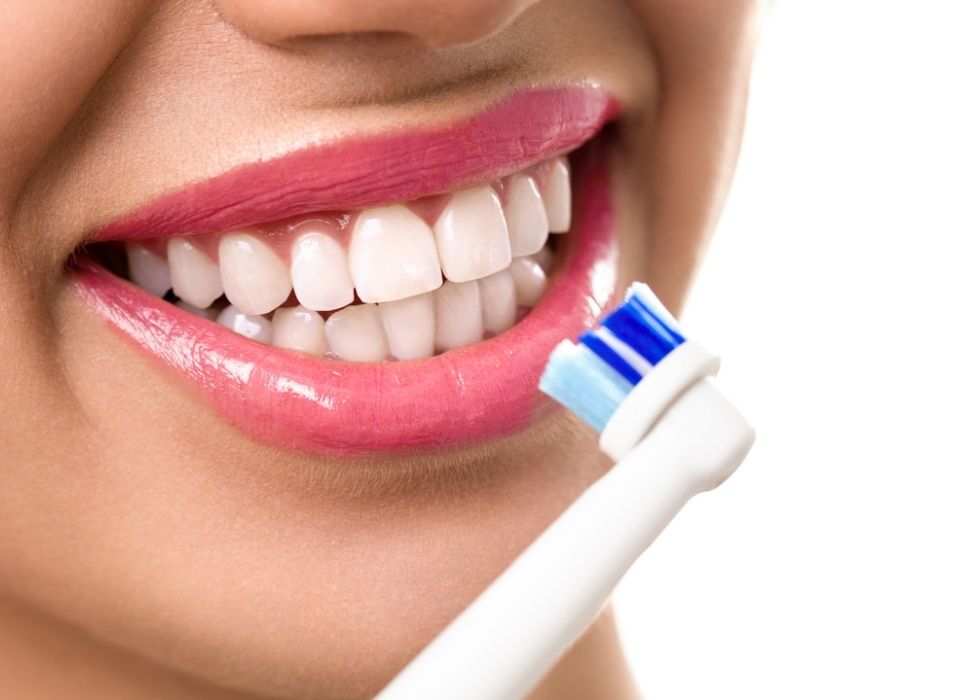
With the change in eating habits during Ramadan, some differences arise, particularly bad breath. Liv Hospital Oral and Dental Health Specialist Dt. Aydan Gürcan explained what needs to be done for oral and dental health.
During Ramadan, changes in eating habits lead to various differences, including oral odour. Dt. Aydan Gürcan, Oral and Dental Health Specialist at Liv Hospital, explains what should be done for oral and dental health.
During Ramadan, there are several differences in oral and dental care that need attention due to changes in eating intervals and dietary patterns. The care we give to oral hygiene must definitely increase during this period. Small changes that occur unnoticed in our eating patterns can negatively affect oral and dental health.
At iftar and sahur, consumption of sugary sweets, carbonated beverages and acidic foods may increase. Sugar and acids damage tooth enamel.
Because teeth are not brushed during the day, food residue remains in the mouth for longer. Sleeping after sahur and iftar without brushing teeth causes bacteria to multiply throughout the night. Additionally, because water is not consumed during the day, saliva production decreases and we cannot benefit from saliva's natural defence mechanism that cleanses teeth. For all these reasons, the risk of cavities increases. Oral odour and dry mouth are among the important effects of fasting that also impact social life.
Taking all these problems into account, the recommended measures are as follows:
✔ Teeth should be brushed after sahur and iftar
✔ Particularly against oral odour complaints, teeth can be brushed during the day without toothpaste.
✔ Sugar-free gum can be chewed after iftar. Gum increases saliva secretion and reduces oral odour.
✔ Plenty of water should be consumed at sahur.
✔ Excessively salty and spicy foods should be avoided. These increase thirst during the day.
✔ Dental floss should be used to clean food residue between teeth.
✔ Tongue cleaning should be performed. Because bacteria that cause bad odour can accumulate on the tongue.
✔ Pungent-smelling foods such as onion and garlic should be reduced.
✔ Consuming yoghurt can reduce oral odour.
✔ Chewing parsley and mint also freshens breath.
✔ Coffee and acidic beverages should be avoided on an empty stomach.
✔ Fibre and protein-rich foods should be consumed at sahur.
✔ Water, milk or herbal tea consumption should be increased.
✔ Calcium-rich foods such as yoghurt should be consumed.
Visiting a dentist before Ramadan enables early detection of cavities or gum problems.
Gallery