Balparmak Launches World Bee Day Project: Children’s Drawings to Become Saplings

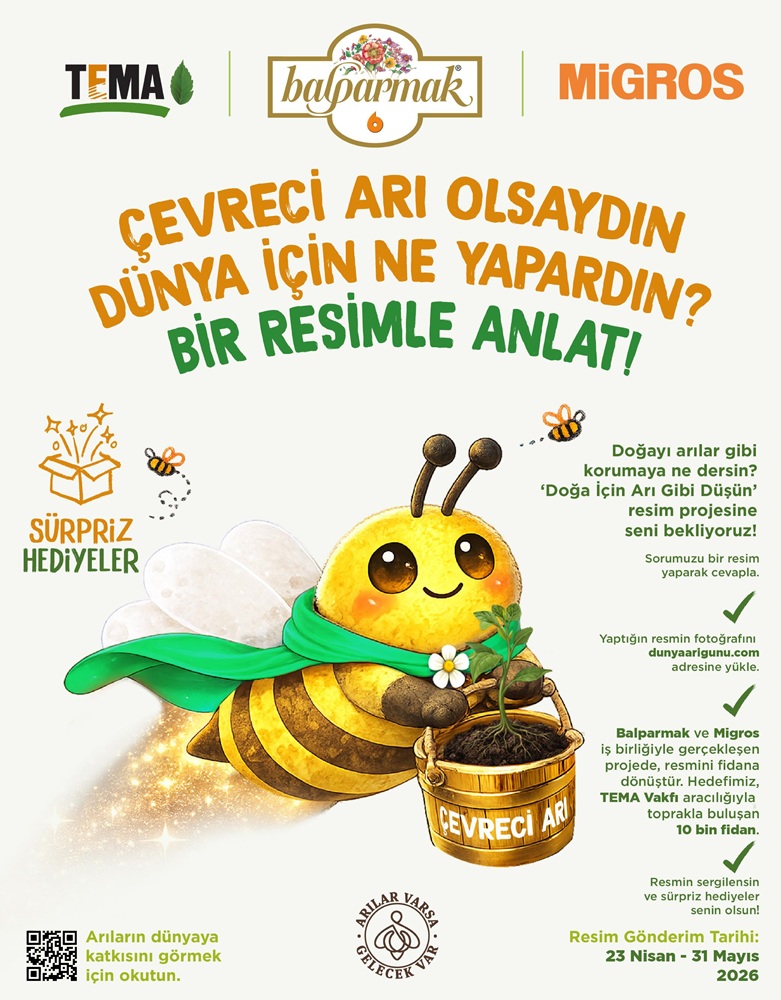
Balparmak has launched the second phase of the “Think Like a Bee for Nature” project, carried out in cooperation with Migros and the TEMA Foundation. Under the project, which began on 23 April, drawings prepared by children will be turned into saplings for nature. This year, the goal is again to create a memorial forest of 10,000 saplings.
Balparmak has launched the second phase of its "Think Like a Bee for Nature" project, developed in collaboration with Migros and TEMA Foundation. Under the project, which started on 23 April, drawings prepared by children will be returned to nature as saplings. This year, the goal is to create a memorial forest of 10,000 saplings.
The Istanbul-based project will run from 23 April to 31 May 2026. Last year's awareness initiative, which attracted more than a thousand children, is expected to draw significant interest this year as well.
Children will dream for nature
Within the project scope, children are being asked this year: "If you were an environmentally conscious bee, what would you do for the world?" Participants will answer by drawing pictures. For each submitted work, a sapling donation will be made through TEMA Foundation.
The project does not follow a competition format; all children's work will be displayed on the project website. Participants will also receive various prizes.
Objective: Building environmental awareness from an early age
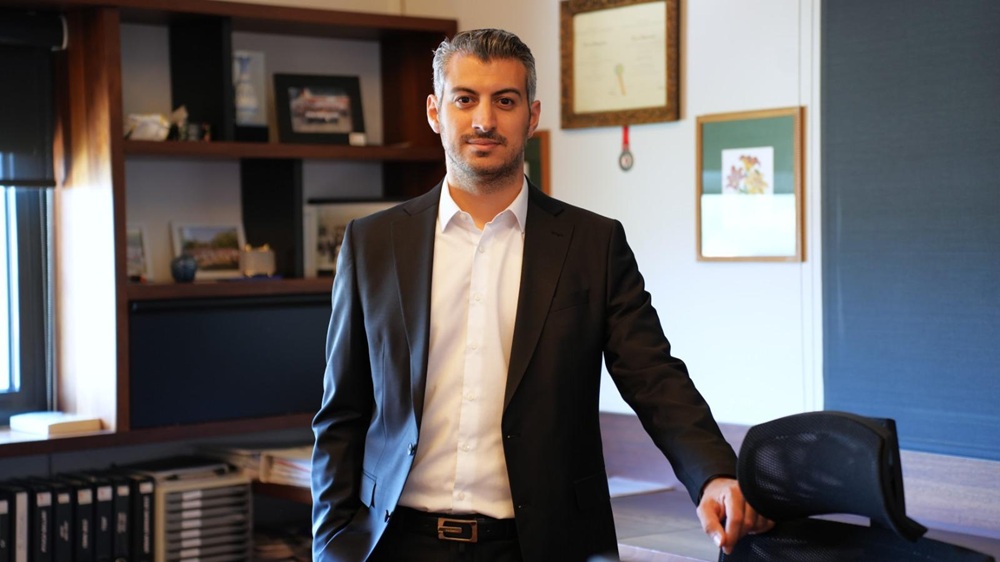
Balparmak General Manager Ulaş Altıparmak stated that the project aims to raise children as environmentally conscious individuals. Altıparmak highlighted the critical role of bees in the ecosystem, noting that children have developed high awareness on this subject.
As part of its recent initiatives, Balparmak Campus has informed approximately 9,000 children about the importance of bees and nature.
Bees at the center of the ecosystem
Bees, which have existed for approximately 100 million years, ensure the continuity of the ecosystem not only through honey production, but also through their role in plant pollination. Approximately 80% of flowering plants multiply thanks to bees, while the production of many fruits and vegetables depends on this process.
Through the "Think Like a Bee for Nature" project, Balparmak brings children's imagination together with love of nature, aiming to expand its work focused on sustainability.
Gallery