Aegean Exporters' Associations Reached USD 1.47 Billion in Exports in February
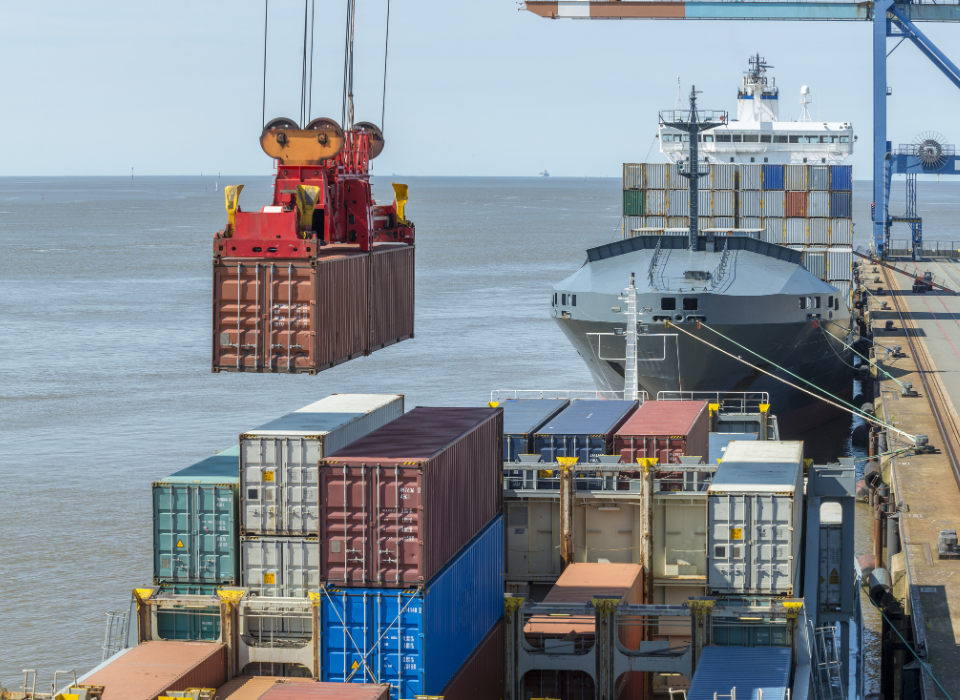
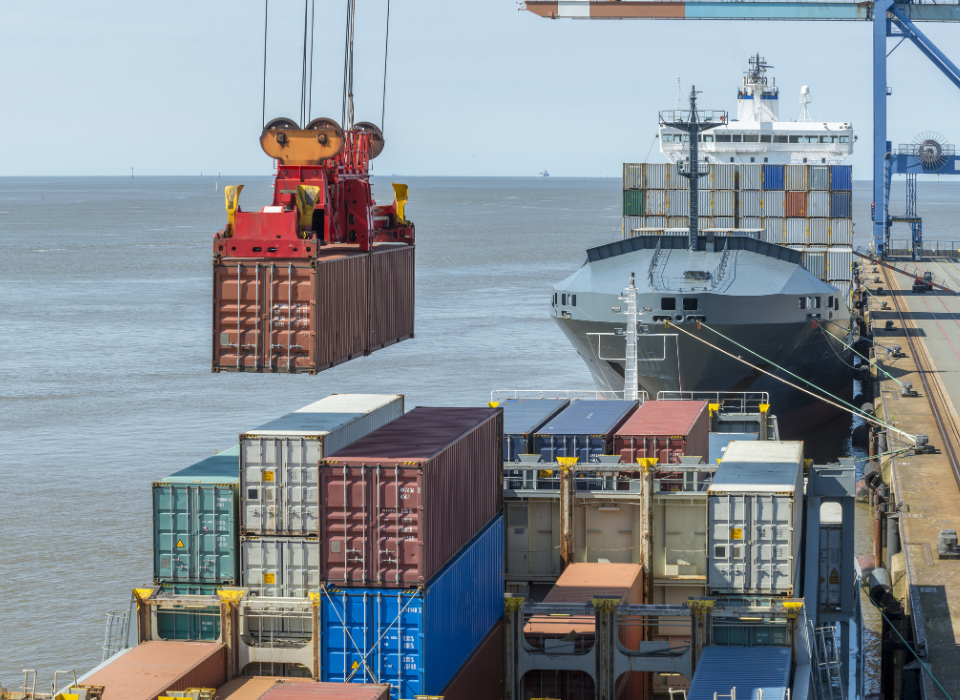
The Aegean Exporters' Associations (EİB) recorded exports of USD 1 billion 472 million in February, up 4%. EİB's exports in the January-February period of 2026 rose 1% to USD 2 billion 919 million. Industrial exports increased by 4% to USD 761 million in February, while agricultural exports rose 2% to USD 585 million.
Aegean Export Unions (EİB) achieved USD 1.472 billion in exports in February with a 4% increase. EİB's exports for the January-February period of 2026 reached USD 2.919 billion with a 1% increase. Industrial exports in February rose 4% to USD 761 million, while agricultural exports increased 2% to USD 585 million.
Aegean Iron and Non-Ferrous Metals Exporters Union maintained its leading position with USD 175 million in exports.
Aegean Tobacco Exporters Union raised its February exports to USD 77 million with a 22% increase, recording the highest growth rate among EİB member unions.
Aegean Aquatic Products and Animal Products Exporters Union achieved USD 147 million in exports with a 12% increase, while Aegean Mining Exporters Union recorded USD 125 million in exports with a 21% increase in February.
Aegean Cereals, Legumes, Oilseeds and Products Exporters Union generated USD 99 million in February, while Aegean Ready-Made Garments and Clothing Exporters Union brought in USD 98 million in foreign currency.
Aegean Fresh Fruits and Vegetables Exporters Union achieved USD 94 million in exports with a 7% increase, while Aegean Dried Fruits and Products Exporters Union recorded USD 83 million in exports.
Aegean Furniture, Paper and Forest Products Exporters Union conducted USD 61 million in exports. Aegean Textiles and Raw Materials Exporters Union achieved USD 33 million in exports.
Aegean Olive and Olive Oil Exporters Union achieved USD 17 million in exports. Aegean Leather and Leather Products Exporters Union brought USD 15 million in foreign currency to Turkey.
Aegean Region's exports reach USD 2.515 billion
The Aegean Region achieved USD 2.515 billion in exports in February. Two free zones based in Izmir contributed USD 308 million to Izmir's exports.
In November, Izmir alone conducted 55% of Aegean Region's exports with USD 1.405 billion.
Denizli exported USD 388 million in February, while Manisa exported USD 357 million. Muğla brought USD 102 million in exports, and Balıkesir brought USD 88 million in exports to Turkey in February.
Aydın achieved USD 77 million in foreign currency earnings in February. Afyonkarahisar's exports reached USD 39 million. Kütahya exported USD 30 million, and Uşak exported USD 24 million.
"Slowing export growth rates and declines in some sectors should come as no surprise"
Aegean Exporters Union Coordinator President Jak Eskinazi stated: "In February, while we exported to 183 countries and regions, we increased our exports to 105 of them. Germany ranked first in our exports with USD 147 million with a 6% increase, the United States came second with USD 120 million, and Italy ranked third with USD 110 million with a 37% increase. We exported USD 708 million to the European Union with a 10% increase, USD 166 million to American countries, USD 122 million to Asia and Oceania countries with a 21% increase, USD 100 million to African countries, USD 89 million to other European countries with an 11% increase, USD 96 million to former Eastern Bloc countries with a 9% increase, USD 31 million to free zones with a 19% increase, and USD 25 million to Turkish Republics. Despite the limited increases recorded in February, we need to read the current picture cautiously; weakening global demand, stagnation in the European market, high financing costs, and the exchange rate not being sufficiently competitive against inflation are seriously eroding our exporters' profitability. While the growth figures appear positive, it becomes difficult to speak of sustainable growth for our sectors crushed under cost pressure. Shrinking margins, particularly in labor-intensive sectors, are negatively affecting production appetite and investment decisions. If access to financing is not eased and steps supporting competitiveness are not taken swiftly, it should come as no surprise if export growth rates slow further and declines are seen in some sectors in the coming months."

Gallery