Compound Derived from Antarctic Microorganism Could Be Used in Food, Cosmetics and Pharmaceutical Production

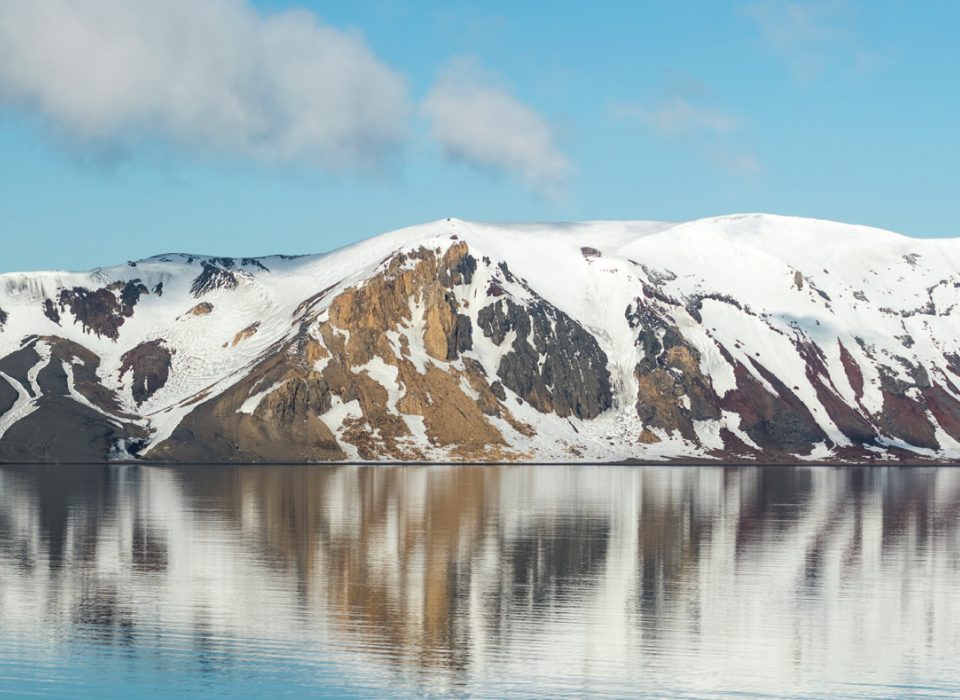
A bioactive compound produced by the microorganism Bacillus licheniformis, found on Deception Island in Antarctica, has properties that make it suitable for use in the production of food, cosmetics, pharmaceuticals and biodegradable materials.
A bioactive compound produced by the Bacillus licheniformis microorganism found on Deception Island in Antarctica possesses properties suitable for use in food, cosmetics, pharmaceuticals and biodegradable materials production.
This discovery is the result of a project led by the Chilean Antarctic Institute. Research findings were published in the International Journal of Biological Macromolecules.
Deception Island was selected as the focus of the study because it is a poly-extreme ecosystem; that is, an environment where very high or very low temperatures, pH variations and intense ultraviolet radiation coexist. These characteristics force microorganisms in the region to develop special metabolic and physiological capabilities.
One of these adaptation mechanisms is the production of exosaccharides (exopolysaccharides), which are sugar polymers secreted by bacteria, fungi, yeasts and algae and play a critical role in protecting them from the stresses created by the poly-extreme ecosystem. In hostile environments, this substance protects microbial cells from dehydration, osmotic pressure, toxic substances and phage (viruses that infect bacteria) attacks, while also facilitating intercellular communication.
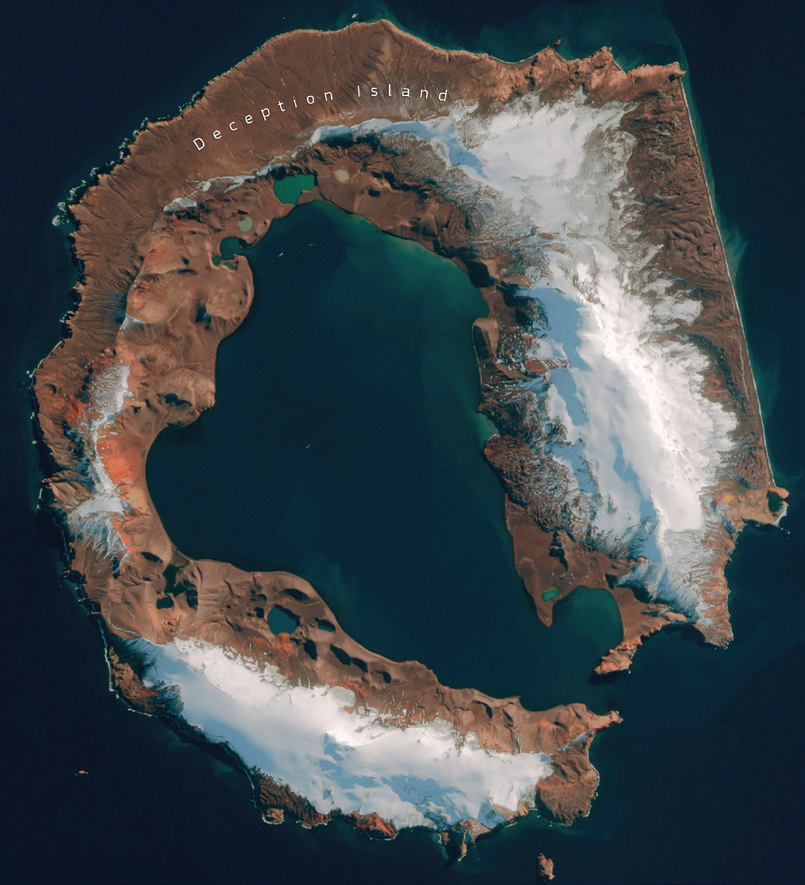
"For this reason, despite being found in Antarctica, we isolated a Bacillus licheniformis strain from fumarolic water whose temperature exceeds 100 °C [liquid found in an opening in the Earth's crust where water vapor, gases and minerals from volcanic activity are released] and analyzed its genome," explains João Paulo Fabi, associate professor at the FCF-USP Food and Experimental Nutrition Department.
Genome sequencing revealed genes associated with exosaccharide biosynthesis that provide good resistance to ultraviolet radiation and thermal adaptation. In addition, its functional properties were found to be superior to commercial xanthan gum, produced by the bacterium Xanthomonas campestris and used as a thickener, stabilizer and emulsifier in food, pharmaceutical and cosmetics industries.
"These properties make the exosaccharide produced by Bacillus licheniformis a strong candidate for biotechnological applications requiring stability and bioactivity," Fabi emphasizes. "It offers antioxidant protection, longer shelf life, emulsion stability and, especially in functional foods, texture improvement. Its thermal stability and tolerance to extreme pH conditions also make it promising for biodegradable materials in cosmetics, pharmaceuticals and many other fields."
Source: Aparna Banerjee et al, Structural characterization and biotechnological potential of an exopolysaccharide produced by Bacillus licheniformis F2LB isolated from Fumarole Bay of Deception Island, Antarctica, International Journal of Biological Macromolecules (2025). DOI: 10.1016/j.ijbiomac.2025.146114
Image Source: Contains modified Copernicus Sentinel data 2023 - Andrew Shiva / Wikipedia / CC BY-SA 4.0
Gallery