AI Achieves Nearly 90% Accuracy in Disease Diagnosis and Treatment
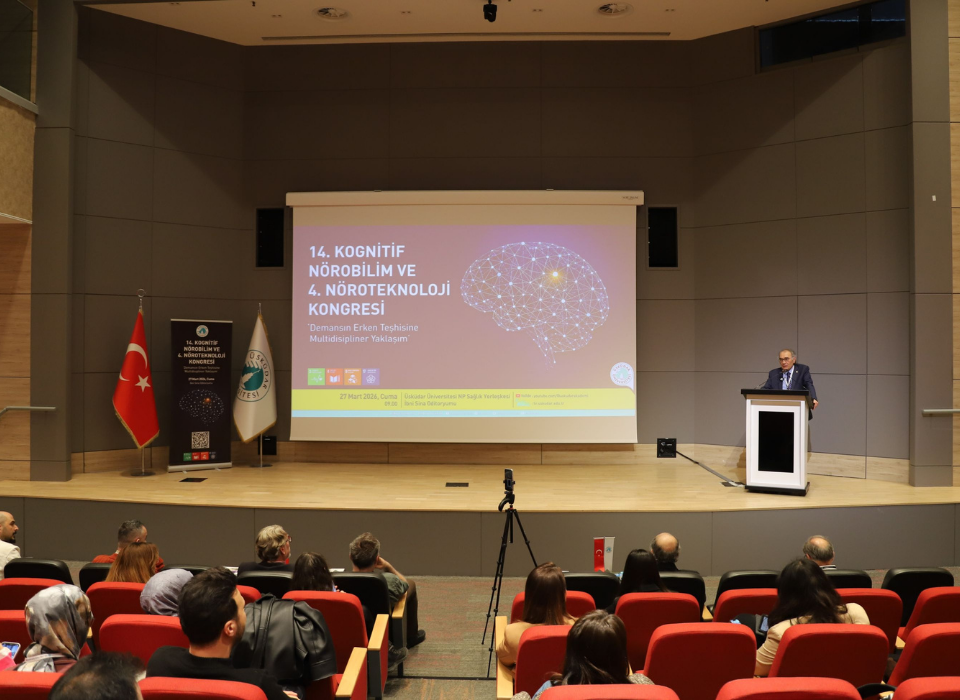
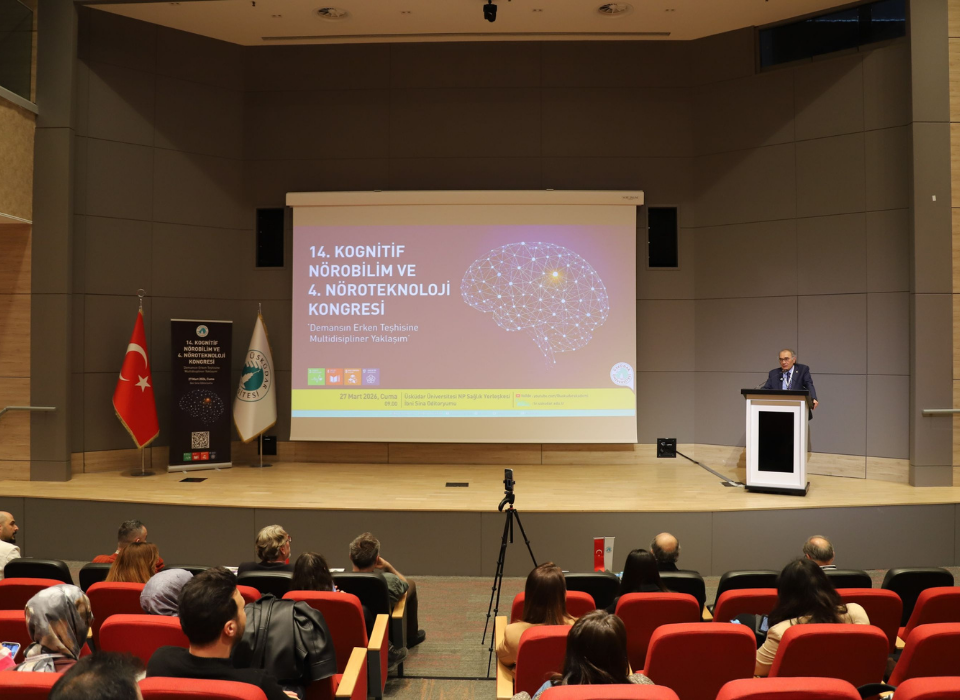
The 14th Cognitive Neuroscience and 4th Neurotechnology Congress, organized by Üsküdar University, was held under the theme "A Multidisciplinary Approach to Early Diagnosis of Dementia." At the congress, which brought together leading experts in the field, the role of artificial intelligence and neurotechnology in diagnosis and treatment processes was comprehensively discussed.
Üsküdar University hosted the 14th Cognitive Neuroscience and 4th Neurotech Congress under the theme "Multidisciplinary Approach to Early Diagnosis of Dementia". At the congress, which brought together leading experts in the field, the role of artificial intelligence and neurotechnology in diagnostic and treatment processes was comprehensively addressed.
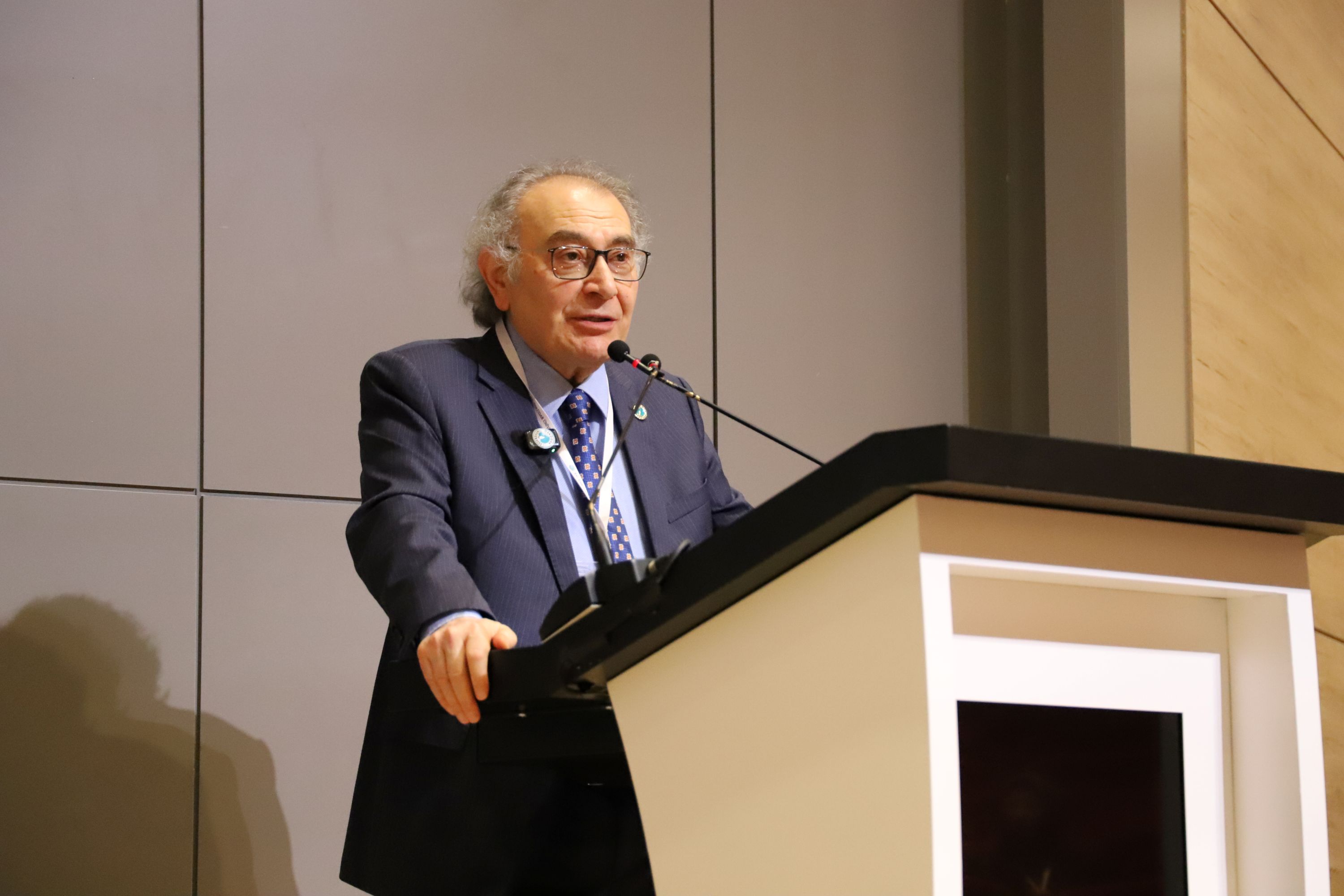
Speaking at the congress, Prof. Dr. Nevzat Tarhan noted that AI-powered systems have created significant transformation in healthcare, stating that software based on brain wave analysis enables diagnosis with nearly 90% accuracy in diseases.
Paradigm shift in diagnostic methods
Tarhan emphasized a significant transformation in the classification of psychiatric illnesses, noting that anatomically-based approaches dominated in the past, but today diagnostic processes are being reshaped as functional connections become measurable. He highlighted the decisive role of biomarkers, epigenetic effects and gene expression analysis in this transformation.
Neurotech and artificial intelligence integration
One of the topics prominent at the congress was advanced brain imaging and analysis techniques. It was noted that electromagnetic tomography enables mapping of the brain's electrical activities, and quantitative EEG methods can detect changes that are difficult to observe at early stages. Additionally, techniques such as LORETA were described as providing functional analysis capability by converting brain signals into three-dimensional structures.
Significance of early diagnosis in dementia
Experts emphasized that dementia is a chronic and progressive disease and that early diagnosis is critical in slowing disease progression. Correct analysis of risk factors and identification of early-stage symptoms provide significant advantages in treatment processes.
Medicine of the future: computational and data-driven
In assessments made at the congress, it was stated that advances in artificial intelligence, deep learning and computational neuroscience will fundamentally transform medical and psychiatric practice in the coming period.
Prof. Dr. Nevzat Tarhan, drawing attention to the importance of developments in neuroscience, stated: "Those who ignore neuroscience will fall behind historically."
Gallery