Clearing the Brain of Unnecessary Information Strengthens Memory

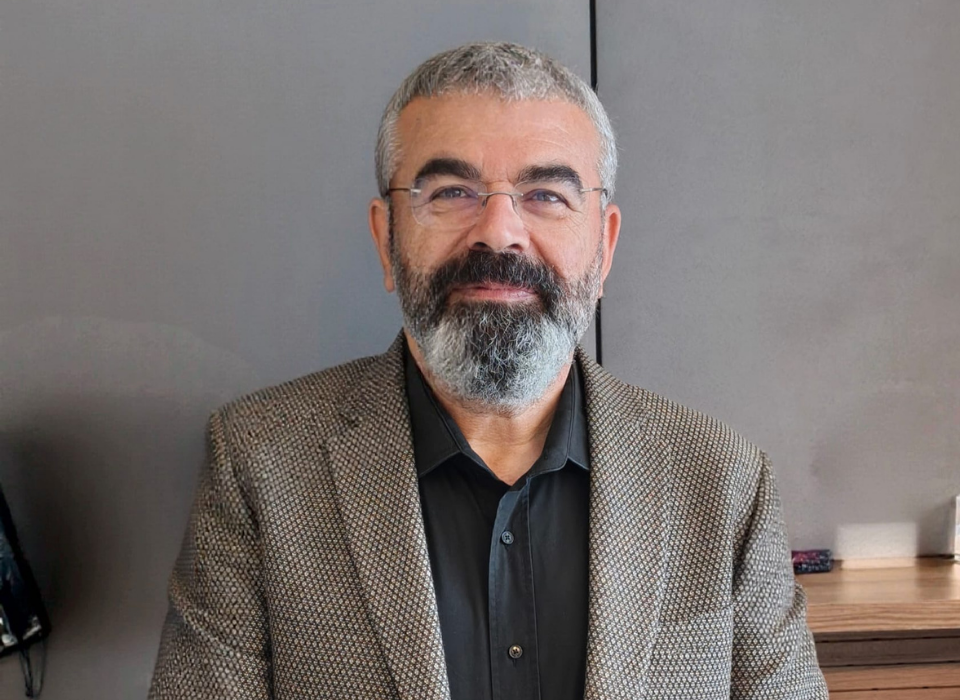
Acıbadem Üniversitesi Department of Psychology faculty member Prof. Dr. Murat Kurt stated that forgetfulness is not always a sign of illness, noting that the brain's filtering of unnecessary information is an important part of healthy memory functioning. Kurt pointed out that digital information flow, stress, irregular sleep, and divided attention can strain memory, and offered recommendations on lifestyle habits that support brain health.
Acıbadem Üniversitesi Department of Psychology faculty member Prof. Dr. Murat Kurt stated that forgetfulness is not always a sign of illness, noting that the brain's filtering of unnecessary information is an important part of healthy memory functioning. Kurt pointed out that digital information flow, stress, irregular sleep, and divided attention can strain memory, and offered recommendations on lifestyle habits that support brain health.
Forgetting where you left your keys, not remembering why you walked into a room, or forgetting the name of someone you just met are situations frequently encountered in daily life. However, according to experts, forgetfulness is not always a sign of illness. The brain needs a "forgetting" mechanism in order to filter out unnecessary information, protect important memories, and be able to learn new information.
Acıbadem Üniversitesi Department of Psychology faculty member Prof. Dr. Murat Kurt noted that the brain reinforces frequently repeated and emotionally significant information more strongly. Kurt explained that the more often a thought, worry, or negative experience is repeated in the mind, the more the related neural networks can become activated, adding that experiences accompanied by particularly strong emotions can become more permanent.
For this reason, it was pointed out that while traumatic experiences or negative thoughts that constantly occupy the mind can be easily recalled, some information that one wishes to learn in daily life can be forgotten within a short period of time.
Digital information flow strains memory
Emphasizing that not only repetition but also attention and meaningful processing are decisive in the brain's ability to make information permanent, Prof. Dr. Murat Kurt stated that content repeatedly encountered in digital environments does not always create a lasting memory trace.
Kurt said, "Repetition strengthens the memory trace especially when it is combined with attention and meaningful processing. In contrast, content that is rapidly consumed in digital environments is often processed at a superficial level, so it does not create the same effect."
Kurt stated that constant screen scrolling can make it harder for the brain to process information in depth, and said that this situation can increase unnecessary cognitive load, making it more difficult for important information to be processed effectively.
"Forgetting is a natural result of a healthy memory"
Noting that today's unlimited information flow, constant notifications, stress, irregular sleep, and the habit of multitasking increase the burden on memory, Prof. Dr. Murat Kurt pointed out that the brain encounters millions of stimuli every day.
Kurt stated that memory is not a flawlessly functioning recording device, and said the following:
"If we stored all the information we encounter with the same level of detail, learning new information and making correct decisions would be much more difficult. That is why our brain tends to strengthen information it considers important while filtering out details that are not needed. Therefore, forgetting is, in most cases, not a malfunction but rather the natural and necessary result of a properly functioning, healthy memory."
Kurt, saying "The brain is not a storage unit, it is an editor," stated that memory is continuously reorganized under the influence of many factors such as attention, emotion, meaning, and repetition. He therefore emphasized that a strong memory does not only mean remembering a great deal, but also means being able to preserve the right information while letting go of unnecessary information.
Kurt also underlined that the natural forgetting seen in daily life must be distinguished from the pathological memory loss that occurs in conditions such as post-traumatic memory loss or dementia.
Why do we forget what we intended to do when we enter a room?
Noting that the commonly encountered situation of "forgetting why you entered a room" is referred to in psychology literature as the "doorway effect," Prof. Dr. Murat Kurt said that this is related to the brain updating its context along with the change of environment.
Kurt explained that when moving from one environment to another, information held in working memory can briefly drop out of the focus of attention, and stated that an intense work pace, divided attention, and the habit of dealing with more than one task at the same time can increase this type of forgetfulness.
Kurt said, "The problem is often not in the memory itself but in attention. When attention is constantly divided, it can become difficult to access information held in working memory. Most of the time, when we pause for a few seconds and refocus, or when we see a cue that reminds us of the context we are in, the information comes back to mind."
Not every instance of forgetfulness is a sign of illness
Pointing out that occasionally forgetting a name, mixing up where the keys are, or being late in remembering an appointment does not by itself mean illness, Kurt stated that what truly matters is the effect of the forgetfulness on daily life and whether it progresses over time.
Kurt noted that if the same questions are asked repeatedly, if there is difficulty finding one's way in familiar surroundings, or if there is difficulty carrying out daily tasks such as managing money, expert evaluation should be sought, and added that insomnia, depression, chronic stress, an intense work pace, certain medications, and distraction can also affect memory performance.
The emotional burden of bad memories can be reduced
Noting that it is not currently possible to completely erase traumatic or negative memories, Prof. Dr. Murat Kurt said that, nevertheless, the emotional burden created by these memories can be reduced.
Kurt stated, "Rather than completely erasing bad memories, the human brain can reorganize their emotional burden over time. Through psychotherapy, healthy coping methods, and professional support when needed, a person's relationship with the memory can change."
Pay attention to lifestyle habits to protect memory
Stating that there is no single miracle method for keeping memory strong and healthy, Prof. Dr. Murat Kurt drew attention to the importance of quality sleep, regular physical activity, staying mentally active, and social relationships.
Kurt's recommendations include the following:
Developing a quality and regular sleep habit.
Doing at least 150 minutes of moderate-intensity physical activity per week.
Learning new skills and staying mentally active.
Stepping outside of one's daily routine and remaining open to new experiences.
Building and maintaining strong social relationships.
Preferring balanced dietary patterns such as the Mediterranean-style diet.
Managing stress effectively.
Avoiding habits that cause divided attention, especially in tasks that require focus.
Spending time understanding and deeply processing information rather than simply consuming it.
Gallery