Bayer Shares Vision and Scientific Research in Prostate Cancer

The company presented its patient-centered approach, focusing on both survival and quality of life in the treatment of prostate cancer from early to advanced stages.
The company presented patient-centered approaches focusing on both survival and quality of life in prostate cancer treatment from early to advanced stages.
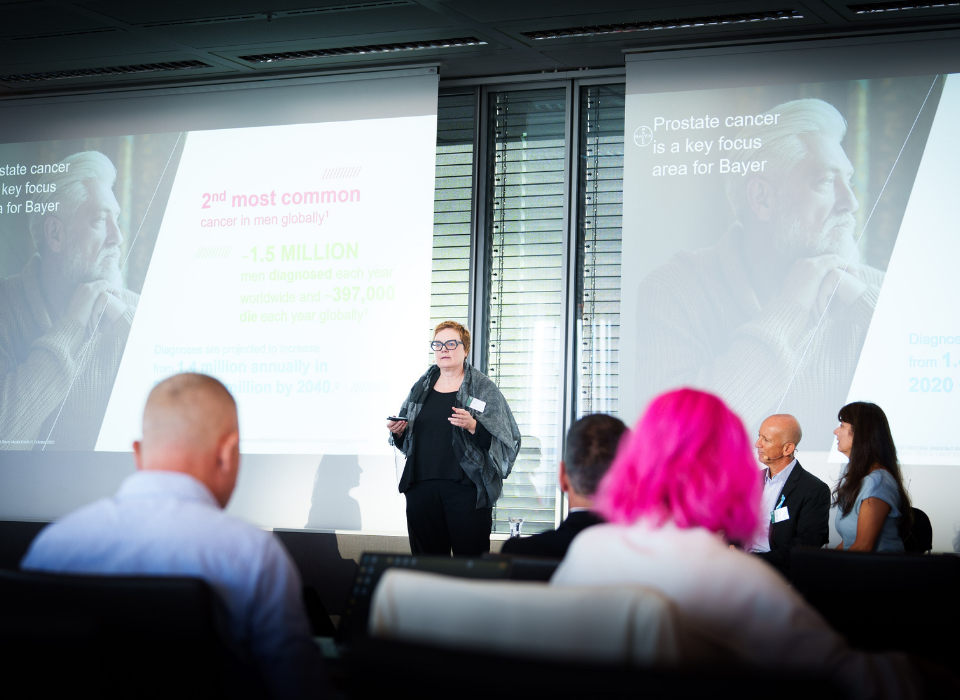
Bayer shared its vision, strategy and scientific work in prostate cancer at a press conference held ahead of the European Society for Medical Oncology (ESMO) 2025 Congress. The event highlighted patient-focused innovations across treatment pathways from early to advanced stages, developments in research and development, and the growing importance of advanced imaging technologies.
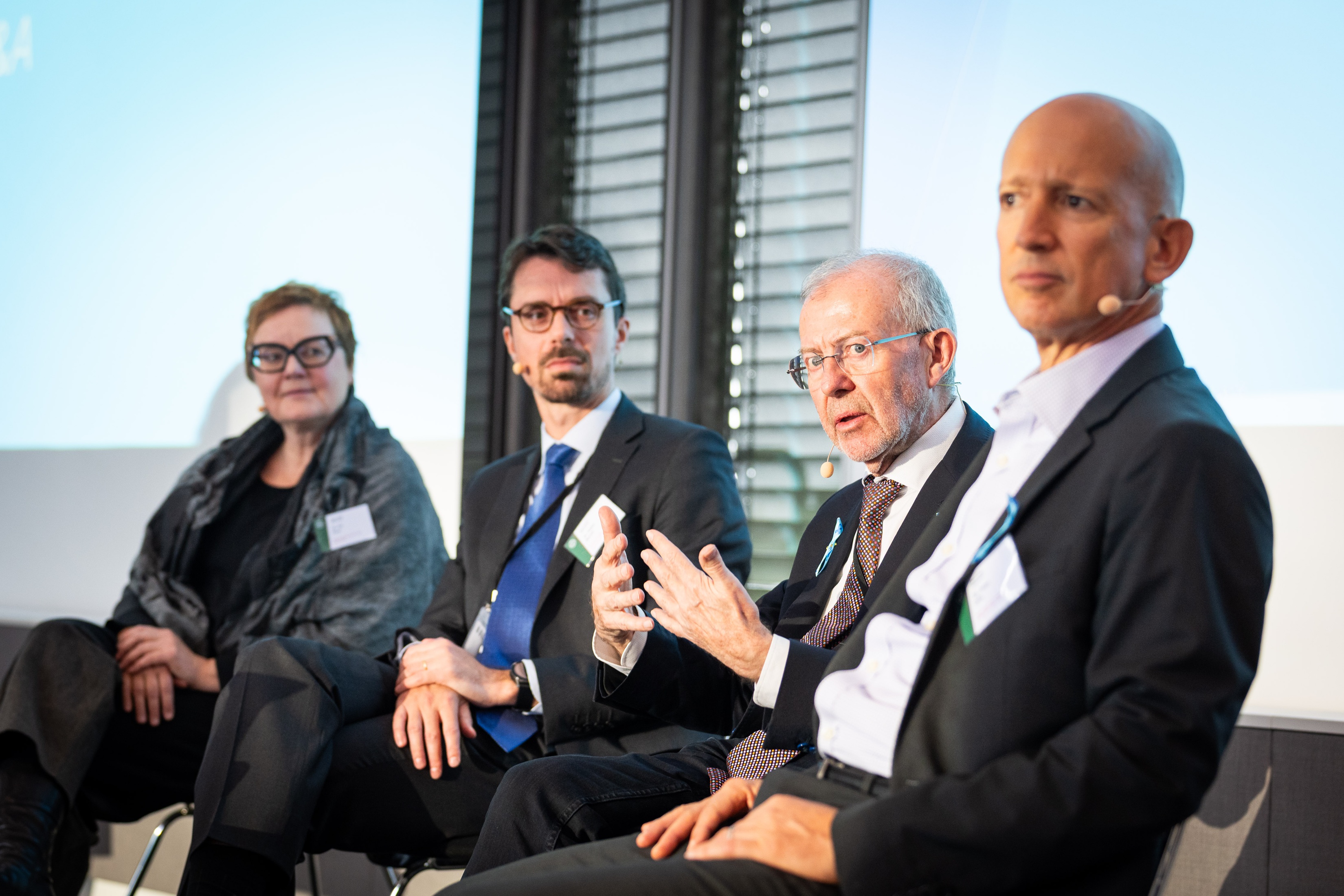
At the conference, Bayer was represented by Global Clinical Development Head Dr. Iris Kuss, Global Medical and Evidence Strategy Head Dr. Jorge Ortiz, Global Translational Sciences Oncology Head Dr. Emmanuelle di Tomaso and Radiology Medical Affairs Head Dr. Peter Seidensticker, alongside Europa UOMO President Dr. Erik Briers, UH Seidman Cancer Center Clinical Genitourinary Medical Oncology Research Program Director Dr. Pedro Barata and Charité Berlin LuisenMRT Medical Director and Editor-in-Chief of the European Radiology Journal Prof. Dr. Bernd Hamm.
"Our goal is to extend survival while preserving quality of life"
Bayer Global Clinical Development Head Dr. Iris Kuss summarized the company's approaches in prostate cancer as follows:
"As Bayer, we aim to contribute to the development of global health standards in the prostate cancer field. Our objective is to focus not only on patients' survival but also on their quality of life. In this direction, we are conducting work on personalized approaches centered on patient needs."
UH Seidman Cancer Center Clinical Genitourinary Medical Oncology Research Program Director Dr. Pedro Barata drew attention to the importance of patient-centered treatment philosophy, stating: "As medical oncologists, our goal is to achieve the best outcomes for patients through evidence-based treatments. Innovative approaches that enhance quality of life play a crucial role in this process."
From Patient Perspective: Shared Decision-Making Approach
The conference also emphasized the importance of patient participation and informed decision-making. Europa UOMO President Dr. Erik Briers noted that the prostate cancer journey is a personal process for each patient, saying:
"It is very important for individuals to be able to make informed decisions about their own treatment. As Europa UOMO, our goal is to ensure that men feel informed, empowered and active at every stage of treatment planning. In this direction, we fully embrace the shared decision-making approach."
From Diagnosis to Treatment: New Approaches in Prostate Imaging
The press conference also addressed the growing role of advanced imaging technologies in prostate cancer diagnosis.
Magnetic Resonance Imaging (MRI) is becoming increasingly important in establishing accurate diagnosis, determining disease stage and monitoring the treatment process.
The PROKOMB study supported by Bayer involved approximately 600 participants. The study aims to evaluate the role of MRI in diagnostic procedures in the prostate cancer field. Charité Berlin Radiology Department and LuisenMRT Medical Director Prof. Dr. Bernd Hamm noted that the findings obtained will shed light on future research, while Bayer Radiology Medical Affairs Head Dr. Peter Seidensticker made the following statement:
"As a leading institution in the field of radiology, we take great satisfaction in contributing to scientific research and supporting the development of innovations in medical imaging."
Prostate Cancer: A Global Health Priority
Prostate cancer stands out as the second most common cancer type in men and the fifth most common cause of cancer-related deaths. In 2022, approximately 1.5 million men worldwide were diagnosed with prostate cancer, with 397,000 deaths attributed to the disease. Experts expect this figure to reach 2.9 million by 2040.
Despite all advances, there remain unmet needs at many stages of prostate cancer management, from early diagnosis to advanced treatment. This underscores the importance of innovative and multidisciplinary approaches in disease management.
Gallery