Pulver Kimya, one of Europe's largest powder coating manufacturers, maintains its competitive edge through exceptional technical service and a wide product range, despite being the highest-priced supplier in the market. While focusing on architectural applications and emerging electric vehicle opportunities, the company is advancing its sustainability initiatives and developing lower-temperature powder coatings to meet growing demand for energy efficiency.
Report: Gamze Ünal
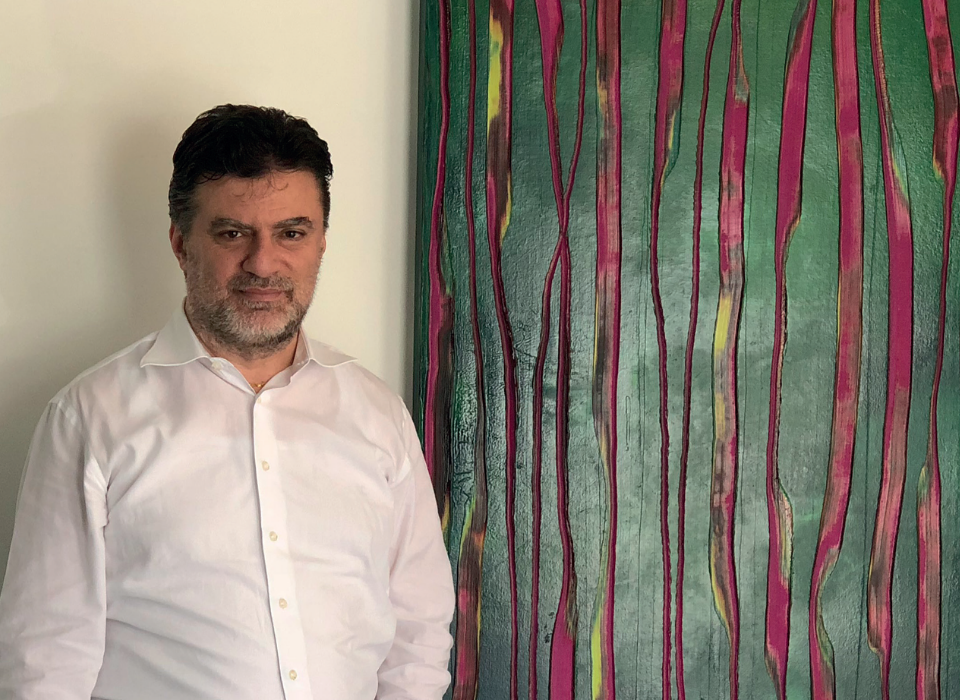
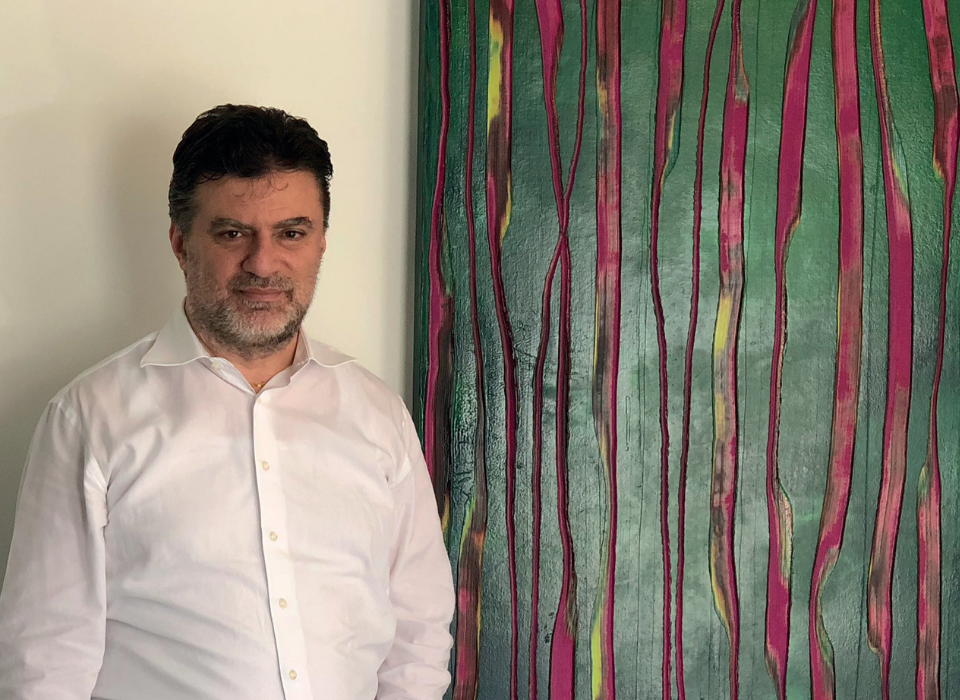
Pulver EMEA Director Davit Banana
Despite being one of Europe's largest powder coating manufacturers, Pulver Kimya maintains its competitive advantage through exceptional technical service and a broad product range, even as the market's highest-priced supplier. The company focuses on architectural applications and emerging electric vehicle opportunities, advancing sustainability initiatives and developing lower-temperature powder coatings to meet rising energy efficiency demands.
As one of Europe's largest powder coating manufacturers, what strategy do you pursue to sustain this success?
In the powder coating market, it is quite difficult to remain sustainable under today's competitive conditions. We believe Pulver's success stems from "pre- and post-sales technical and commercial service" and "providing customers with selection ease (broad product range, inventory, and product specifications)". Since our founding year of 1991, these two aspects have been essential for us, and we work intensively on them. Despite being the powder coating market's highest average-price and longest-payment-term supplier, Pulver is chosen because of these characteristics.
Your "Digital Specification" project allows customers to experience colors in a more accessible way. How has the feedback been? Are there new features you plan to add?
We created the "Digital Specification" project to reinforce and strengthen our leadership and capabilities in product and color specifications, and we received very positive feedback. The Digital Specification is particularly preferred in architectural applications and helps us serve our customers and architects remotely very effectively. Among the important outcomes of our Digital Specification work are its contributions to "increasing productivity and reducing costs".
Sustainability is increasingly important in the powder coating sector. What steps is Pulver Kimya taking regarding sustainable production and environmentally friendly products?
Unfortunately, our country and the world have not yet reached maturity on sustainability and environmental issues. Being a global company brings demands from every corner of the world, but unfortunately there is still no significant awareness regarding "environmentally friendly products". Nevertheless, to be prepared for potential demands or requirements that may emerge "especially in Europe" in the future, we are rapidly developing a "Sustainability Report / Carbon Footprint" project that we have initiated together with our group companies.
Global-scale disruptions in the supply chain negatively affected many sectors. How did Pulver Kimya support its customers during this period?
I can say that the powder coating sector's exposure to disruptions was not particularly troubling, at least from Pulver's perspective. Our network reaching every corner of the world, our capability to source raw materials from various alternatives, and our sales office and distributor network strength enabled us to avoid damage from disruptions and even turn the situation to our advantage.
Pulver Kimya's product range includes architectural, industrial, white goods, automotive and Pulron thermoplastic powder coatings. Which segment sees the highest demand? What growth trends are you observing in sectors recently?
"Architectural" powder coatings, which we have focused on especially since the 1990s, are the product segment we sell and service the most for our customers. The aluminum facade coating industry, in particular, has always been our focus since we obtained our first Qualicoat certification when we joined our company in 1995. We believe this sector will continue to grow worldwide. Recently, we have observed that powder coating can be a solution for many components of "electric vehicles", particularly batteries, and there will be visible growth trends. We are working on this subject in detail and developing projects.
Regarding your automotive powder coatings, what innovative features do they offer in terms of durability and aesthetics?
Powder coating can be used everywhere on automobiles except the body, in many spare parts—that is, by the "aftermarket industry". Here, functionality and long-term durability are more important than aesthetics. As Pulver, the areas we address include shock absorber springs, engine blocks, seat rails, wipers, wheels, and many spare parts under the hood and in unseen areas. Looking at the geographies we serve, we see that a large portion of our German sales serves the automotive industry.
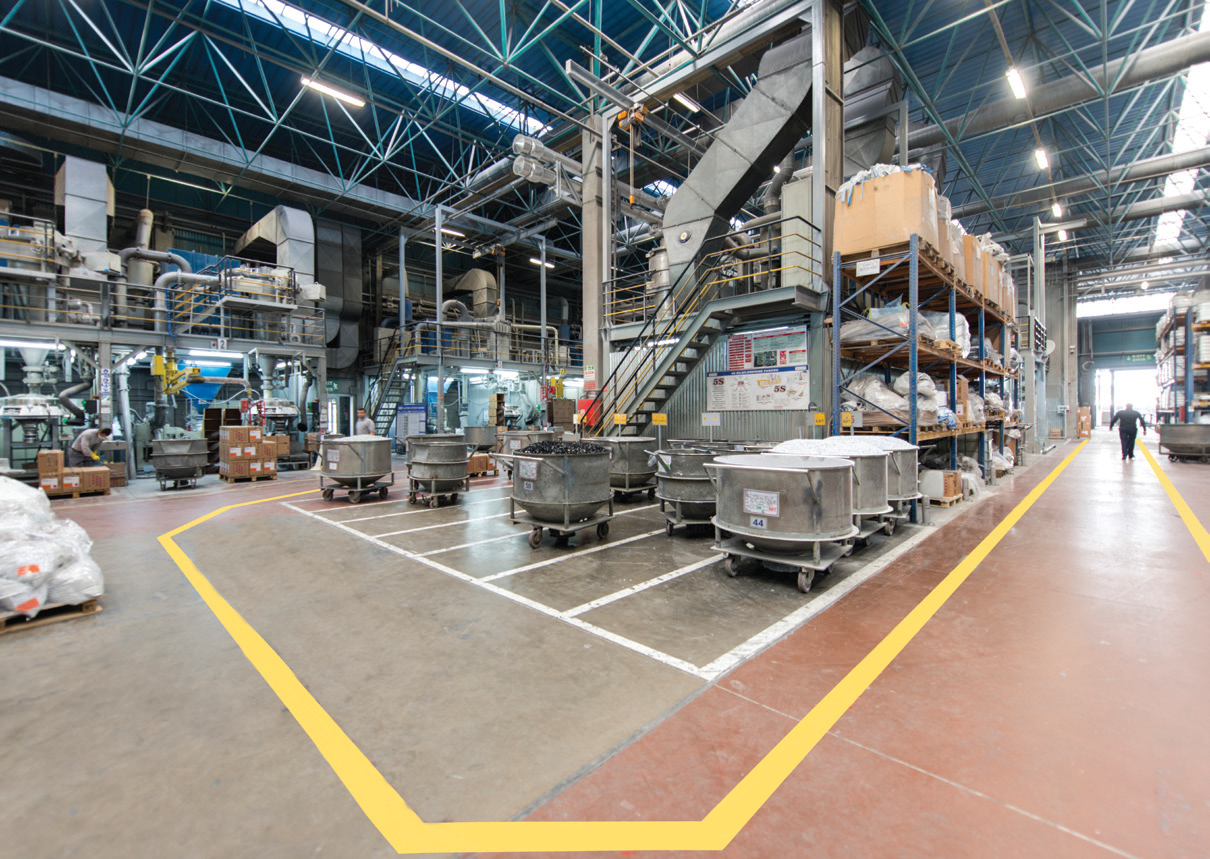
How do the powder coatings you have developed for the white goods sector provide advantages to manufacturers in both aesthetic and functional terms?
Recently, the products being worked on are generally heavily concentrated on functionality features. Products are expected to pass various and rigorous chemical and corrosion tests. Aesthetically, we see metallic-gray colors being designed, though sparingly. Unfortunately, this sector is also heavily affected by "cost and profitability" factors, and the "highest quality at the lowest cost" chaos is one of today's problems. The white goods sector helps Pulver more in terms of gaining prestige and reducing general expenses rather than profitability.
We are seeing competition increasing in the powder coating sector. Does Pulver Kimya have any new investments or expansion projects planned to strengthen its position in the global market?
Powder coating is not a new industry for the world, unfortunately. It has become an aging industry that is easily replicated. Of course, it is possible to design products in many new areas, but these products, which are produced and sold only for prestige purposes with very low sales, have negligible impact on revenue and profit. Rather than strengthening our position in the global market, we are working hard to maintain our position and are focusing more specifically on projects to increase productivity and reduce costs.
What innovations do you expect to emerge in the sector in the near future? Could you share which topics Pulver Kimya prioritizes in its R&D work?
The most discussed topics today are "energy efficiency" and "long-term durability products". Of course, "sustainability / carbon footprint" work will also drive significant focus on these two topics in the near future.
"Energy efficiency" is a topic we focus on intensively. The powder coating bake temperature is decreasing with each passing day and will continue to decrease. While 200°C baking conditions were discussed in the 1990s, world standards dropped to 180°C after 2010, and today 160°C products are being discussed and developed. At a recent seminar we attended, we saw one raw material supplier pushing conditions of 110°C and below.
For "long-term durability products", we are in continuous efforts to develop products with "polyester" chemistry, which the architectural-aluminum sector prefers. We are particularly meticulous about certifying our products with Qualicoat and GSB and are making substantial efforts to increase the number of certifications.
What are your strategies to increase brand awareness in markets such as Europe and the USA? Could you provide information about Pulver Kimya's growth targets, especially in foreign markets?
The focus of Pulver's foreign markets is primarily Russia (plus Russian-speaking CIS countries) and Germany. Our presence in Russia has existed since 1996. Due to the size of the geography, we currently have sales offices, sales personnel, and warehouses in 10 different locations. Germany is another geography where we are strong. In Germany, we are particularly active in functional product groups (automotive, white goods, etc.).
Due to the war's impact in Russia, our sales increased as European companies withdrew from the region. Unfortunately, unfortunate developments worldwide can also cause our sales in some regions to increase. While there is stagnation and recession in Western Europe under current conditions, our focus and presence in Eastern Europe, North Africa, and Middle East countries, where we are strong in exports and continue to grow, is increasing day by day.
Gallery