Firefighting Not Covered by Current OHS Law
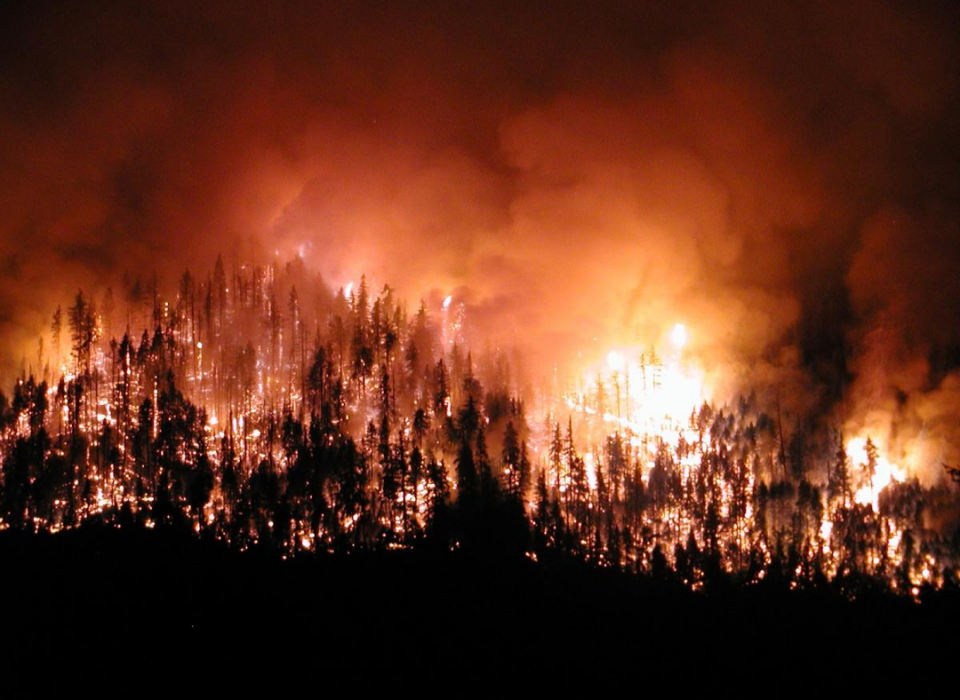
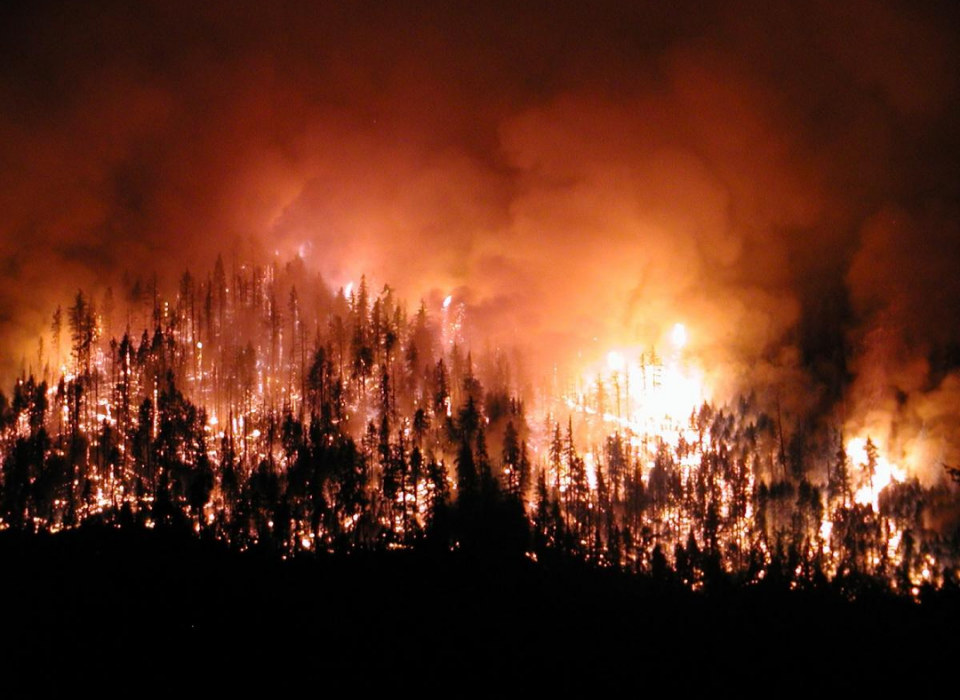
Following the forest fire disaster that plunged Türkiye into mourning, the risks of firefighting and safety standards have come under review. The forest fire disaster in Seyitgazi, Eskişehir, which claimed 10 lives, has once again brought to the agenda the Occupational Health and Safety (OHS) rights of the heroes fighting the flames on the front lines.
Following the forest fire disaster that devastated Türkiye, the risks and safety standards of firefighting have come under scrutiny. The forest fire tragedy in Seyitgazi, Eskişehir, which claimed 10 lives, has brought occupational health and safety (OHS) rights back into focus for the heroes fighting flames on the front lines.
Dr. Nuri Bingöl, Deputy Dean of the Faculty of Health Sciences at Üsküdar University and OHS Specialist, evaluated the occupational health and safety issue highlighted by the deaths of 10 people—5 forest workers and 5 AKUT personnel—who responded to the forest fire in Seyitgazi, Eskişehir.
OHS Specialist Dr. Nuri Bingöl stated that the root cause of these tragedies is that firefighting operations are excluded from the scope of the current OHS law, saying: "In Law No. 6331 on Occupational Safety, emergency and disaster unit response activities are unfortunately outside the scope. The hazard classification for workers engaged in firefighting operations exceeds even the highest dangerous class—the 'highly hazardous' class—as defined in OHS regulations. If a new class were created, we could call it the 'extremely hazardous' class, but unfortunately no such classification exists."
Response activities excluded from scope
Pointing out that one of the greatest dangers firefighters face is that their work is not legally well-defined, Dr. Nuri Bingöl stated: "First, it must be noted that forest fires and every type of fire are not directly covered in occupational health and safety regulations. In Law No. 6331 on Occupational Safety, emergency and disaster unit response activities are unfortunately outside the scope. The hazard classification for workers engaged in firefighting operations exceeds even the highest dangerous class—the 'highly hazardous' class—as defined in OHS regulations. If a new class were created, we could call it the 'extremely hazardous' class, but unfortunately no such classification exists."
New personnel not deployed to front lines
While noting that training exists, Dr. Nuri Bingöl emphasized that field experience and proper task assignment are the true determining factors: "Firefighting personnel certainly receive specialized training, whether from fire departments or forest workers. There is a center for this in Antalya where regular simulation-based, practical training including evacuation and rescue drills is conducted. But what is truly important is this: Generally, from what I know, including firefighters, new personnel are not deployed to the front lines in firefighting operations; experienced teams typically work there. Relatively new and inexperienced personnel are assigned to cooling operations after the fire is extinguished. This is the correct approach."
Clearing dry vegetation before fire reaches it is critical
Noting that water is always the greatest weapon in forest fires, Dr. Nuri Bingöl emphasized that dry vegetation covering the forest floor ignites more quickly and spreads fire, making its removal essential: "Clearing dry vegetation with bulldozers and graders before fire reaches it, and opening roads for response team access are of great importance. Compared to urban fires, forest fires typically occur in steep, rocky, and inaccessible terrain. Therefore, thorough knowledge of the area's topography, obtaining support from local populations, and involving forest workers familiar with the region in response operations are vital."
Wind is one of the most critical factors in forest fires
Addressing common misconceptions, Dr. Nuri Bingöl emphasized that neither equipment nor planning can always provide absolute protection, and that the dynamic nature of forest fires particularly increases risks.
Dr. Nuri Bingöl stated: "This needs to be corrected: there is no such thing as 'fireproof clothing'—there is 'heat-resistant clothing.' When a fire reaches very large proportions, this clothing will not save anyone in any way. One of the most critical factors in forest fires is wind. Imagine a road being cut to allow a team to advance through an area with no road. If the wind suddenly changes direction and closes this newly cut road, escape becomes impossible. Accounting for this in risk assessment is vital. For this reason, the commander directing the fire must be highly experienced and knowledgeable in this field."
Gallery